
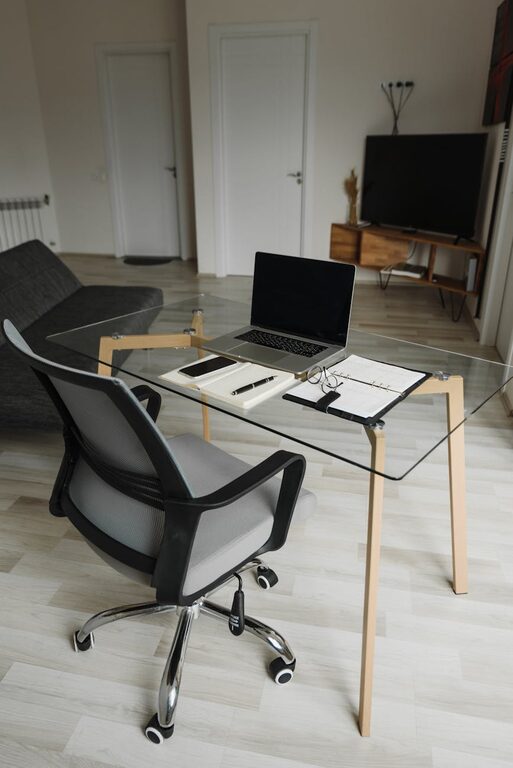
Working from home has become increasingly common, and having a dedicated home office space is essential for staying productive and maintaining a healthy work-life balance. Whether you have a spare room or just a small corner, creating an effective home office environment can make a significant difference in your daily work experience. Here are some practical tips for setting up a home office where you can focus, stay organised, and feel comfortable throughout your working day.
Choose the Right Location
Selecting the right spot for your home office is the first step. Ideally, this should be a quiet area away from distractions such as televisions, busy family spaces, or noisy streets.
– Natural light: Set up your desk near a window to benefit from natural daylight. It improves mood and reduces eye strain.
– Privacy: If possible, use a room with a door that you can close to create clear boundaries between work and home life.
– Space: Ensure you have enough room for your desk, a comfortable chair, and storage solutions without feeling cramped.
Invest in Comfortable and Ergonomic Furniture
Comfort directly affects productivity, so choosing ergonomic furniture is crucial for your wellbeing.
– Ergonomic chair: Look for one with adjustable height, lumbar support, and cushioning to keep your back supported during long sitting periods.
– Desk height: Your desk should allow you to work with your forearms parallel to the floor and wrists straight.
– Monitor positioning: Place your monitor at eye level about an arm’s length away to reduce neck and eye strain.
Keep Your Workspace Organised
A clutter-free workspace promotes focus and efficiency. Use storage and organisation tools to keep everything in its place.
– Drawers and shelves: Use drawers to store stationery and papers out of sight but within reach. Shelves can keep books and binders neatly arranged.
– Desk organisers: Trays, pen holders, and cable organisers help keep your desk tidy.
– Minimalism: Only keep items on your desk that you use daily to avoid distractions.
Optimise Lighting and Colour
Good lighting and thoughtful colour choices affect how you feel and work in your space.
– Task lighting: A desk lamp with adjustable brightness is useful for working in the evenings or on cloudy days.
– Neutral wall colours: Soft, neutral shades such as pale grey, beige, or pastel tones create a calm background.
– Accent colours: Add splashes of colour through accessories like cushions or wall art to inspire creativity.
Minimise Noise and Distractions
Noise can quickly disrupt concentration, so take steps to reduce it as much as possible.
– Noise-cancelling headphones: These are perfect if you cannot avoid some background noise.
– Soundproofing: Consider adding rugs, curtains, or acoustic panels to absorb sound.
– Set boundaries: Inform family members or housemates about your work hours to limit interruptions.
Create an Effective Work Routine
A productive environment goes hand-in-hand with a good routine.
– Set regular hours: Treat your home office like a traditional workday by sticking to set start and finish times.
– Breaks: Schedule short breaks to move, stretch, and rest your eyes, helping to maintain focus.
– Plan your day: Use to-do lists or digital planners to structure your tasks and prioritise goals.
Use Technology Wisely
Technology can enhance your productivity if used effectively.
– Reliable internet: A fast and stable connection is a must for video calls and cloud-based work.
– Multiple screens: Adding a second monitor can increase efficiency by reducing the need to switch between tabs.
– Apps and tools: Utilise productivity apps, such as calendar reminders, note-taking tools, and focus timers.
Personalise Your Space
Make your home office a place that feels inviting and pleasant to spend time in.
– Plants: Indoor plants provide fresh air, enhance wellbeing, and add a touch of nature.
– Inspiring items: Display pictures, quotes, or items that motivate you, but avoid over-cluttering.
– Comfort items: A soft throw, footrest, or a small fan or heater can improve your comfort.
Maintain Good Air Quality and Temperature
A fresh, well-ventilated environment helps keep you alert.
– Ventilation: Open a window periodically or use an air purifier.
– Temperature control: Make sure the room isn’t too hot or too cold; this can influence comfort and productivity.
Regularly Review and Tweak Your Setup
Your needs might change over time, so periodically review your home office setup.
– Seek feedback: If you live with others, get their input on noise or lighting issues.
– Evaluate tools and furniture: Replace or upgrade anything that no longer meets your needs.
– Adapt to new tasks: Modify your workspace based on the type of projects or work you are doing.
—
Creating a productive home office environment is about balance — combining comfort, organisation, and technology to suit your personal work style. With these tips, you can transform any space into a welcoming and efficient area that supports your productivity and wellbeing.