
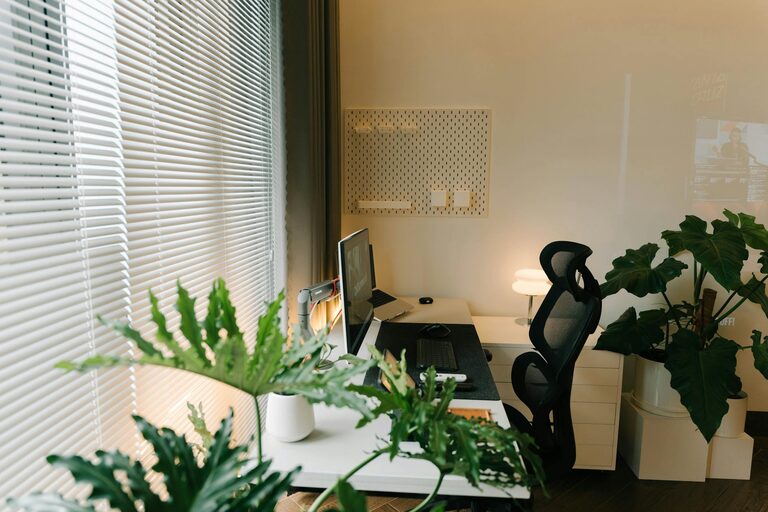
Creating a dedicated home office space that fosters productivity and comfort can make a significant difference to your workday. Whether you work remotely full-time or just need a quiet spot for occasional tasks, having an organised and inspiring workspace helps you focus and stay motivated. Here are some useful tips to help you design a productive home office tailored to your needs.
Choose the Right Location
Selecting an appropriate place for your home office is the first step towards creating a productive environment.
– Quiet and Low-Traffic Area: Ideally, find a space away from household noise and distractions. This might be a spare room, a corner in the living room, or even a section of your bedroom.
– Natural Light: Position your desk near a window if possible. Natural light improves mood and reduces eye strain, helping you stay alert throughout the day.
– Space and Privacy: Ensure your chosen area provides enough room for your equipment and allows you to focus without interruptions.
Invest in Comfortable, Functional Furniture
Your comfort plays a major role in productivity. The right furniture helps you avoid fatigue and stay focused.
– Ergonomic Chair: Choose a chair that supports good posture. Adjustable height and lumbar support can reduce back pain and discomfort during long work hours.
– Spacious Desk: Opt for a desk big enough to hold your computer, documents, and other essentials without clutter.
– Storage Solutions: Incorporate shelves, filing cabinets, or organisers to keep your workspace tidy and make it easier to find important items.
Optimise Your Lighting
Good lighting is essential for reducing eye strain and maintaining energy.
– Layered Lighting: Combine natural light with overhead lights and task lighting, such as a desk lamp.
– Adjustable Brightness: Use dimmable lights to create the right ambience for different tasks and times of the day.
– Positioning: Avoid glare on your screen by adjusting your light sources and monitor placement.
Minimise Distractions
Limiting interruptions helps enhance concentration and efficiency.
– Set Boundaries: Communicate your working hours to family or housemates to reduce disruptions.
– Turn off Notifications: Mute non-essential phone or computer notifications while working.
– Keep it Decluttered: A clean desk helps keep your mind clear and reduces stress.
Personalise Your Space
Adding personalised touches can make your office more inviting and inspiring.
– Plants: Indoor plants improve air quality and add a calming, natural element.
– Artwork or Quotes: Choose images or sayings that motivate you.
– Colour Scheme: Use colours that boost your mood and productivity, such as blues and greens.
Use Technology Wisely
Technology can support your productivity when selected and set up correctly.
– Reliable Equipment: Invest in a good-quality computer, headset, and internet connection to avoid technical frustrations.
– Cable Management: Use cable organisers to keep wires tidy and prevent clutter.
– Ergonomic Accessories: Consider items like an external keyboard, mouse, or monitor stand to improve comfort.
Maintain a Routine
Establishing habits around your home office helps build consistency and focus.
– Designate Work Hours: Stick to regular start and finish times to separate work from personal life.
– Take Breaks: Schedule short breaks to stretch, walk, or relax; this can improve overall productivity.
– Organise Daily Tasks: Use planners or apps to prioritise your work and keep track of deadlines.
Keep it Tidy and Organised
A well-organised workspace reduces stress and makes it easier to focus.
– Daily Cleanup: Spend a few minutes each day tidying your desk and putting things away.
– Use Organisers: Drawer dividers, trays, and file folders keep essential items within reach but out of the way.
– Digitise Where Possible: Store documents electronically to reduce paper clutter.
Consider Sound and Temperature
Your comfort extends beyond lighting and furniture.
– Noise Control: Use noise-cancelling headphones, white noise machines, or soundproofing elements like rugs and curtains.
– Temperature Regulation: Ensure your office is at a comfortable temperature with good ventilation or a fan/heater as needed.
Final Thoughts
Designing a productive home office is a balance between functionality, comfort, and personal preferences. By choosing the right location, investing in ergonomic furniture, managing lighting and distractions, and organising your space thoughtfully, you’ll create an environment that supports your best work every day. Remember, small changes can lead to big improvements in your focus and motivation. Happy working!