
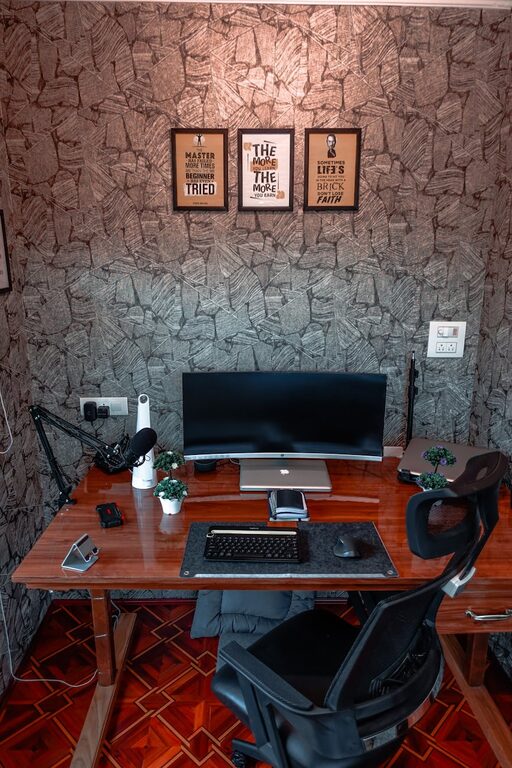
Creating a home office that combines comfort and functionality is essential, especially as many people spend more time working from home. A well-designed workspace can improve your focus, boost your productivity, and even make work more enjoyable. Whether you have a dedicated room or a small corner, these tips will help you create a cosy and efficient home office that meets your needs.
Choose the Right Location
Selecting the perfect spot for your home office is the first step. Ideally, this space should be quiet and away from the main hustle of the house. If possible, choose a room with a door you can close to minimise distractions.
– Natural light: Position your desk near a window to take advantage of natural daylight, which can improve your mood and reduce eye strain.
– Consider noise levels: If your home is busy, think about using noise-cancelling headphones or adding soft furnishings like rugs and curtains to absorb sound.
– Space for movement: Ensure there’s enough space to move freely around your desk; feeling cramped can reduce comfort and productivity.
Invest in Ergonomic Furniture
Comfort is key when it comes to long hours at your desk. Ergonomic furniture can help prevent aches and strains.
– Adjustable chair: Look for a chair that supports your lower back, allows your feet to rest flat on the floor, and lets you adjust the height and armrests.
– Desk height: Your desk should be at a height that lets your elbows rest comfortably at about a 90-degree angle.
– Keyboard and screen position: Place your keyboard and mouse so your wrists remain straight, and position your monitor at eye level to avoid neck strain.
Personalise Your Space
A personalised workspace can make your home office more inviting and reduce stress.
– Add plants: A few small plants can brighten the room and improve air quality.
– Use soft lighting: Rather than relying solely on harsh overhead lights, add desk lamps or fairy lights to create a warm ambience.
– Include meaningful items: Photos, artwork, or inspirational quotes can make the space feel more personal and motivating, but avoid cluttering your desk.
Organise and Declutter Efficiently
Keeping your workspace tidy improves focus and efficiency, as clutter can be distracting and stressful.
– Storage solutions: Use shelves, filing cabinets, or storage boxes to keep papers and supplies organised.
– Cable management: Use clips or sleeves to manage cables and keep them out of the way.
– Daily tidying: Spend a few minutes at the end of each day organising your desk to start fresh the next morning.
Optimise Lighting
Good lighting reduces eye strain and keeps you alert.
– Use natural light: As mentioned, natural light is the best option when available.
– Layer lighting: Combine ambient, task, and accent lighting. For example, a ceiling light for overall illumination, a desk lamp for focused tasks, and soft accent lighting to reduce glare.
– Avoid glare: Position your screen and lights to prevent reflections, which can cause discomfort.
Manage Your Technology Wisely
Technology powers your work but can also clutter your space or cause frustration if not set up well.
– High-speed internet: Ensure your connection is reliable to avoid disruptions.
– Quality peripherals: Invest in a good keyboard, mouse, and headset that suit your needs.
– Backup and security: Use external drives or cloud services to back up your work regularly and keep your computer protected from malware.
Keep Comfort in Mind
Working from home means you control your environment. Make it as comfy as possible.
– Temperature control: Use fans, heaters, or open windows to keep the temperature comfortable.
– Take breaks: Designate a small rest area if possible or simply take regular breaks away from your desk to stretch.
– Stay hydrated: Keep water within reach to stay refreshed and alert during your working hours.
Create Boundaries Between Work and Life
Maintaining a clear separation helps improve your wellbeing and work-life balance.
– Set a schedule: Keep regular working hours and communicate them with others in your household.
– End-of-day routine: Use a ritual to signal the end of your workday, such as tidying your desk or turning off your computer.
– Separate workspace: If possible, avoid working in bedrooms or living areas to mentally distinguish work from rest.
—
By paying attention to these elements, you can transform even a small corner into a cosy and practical home office where you’ll enjoy spending time. Remember, the ideal workspace reflects your unique needs and preferences, so experiment with what works best for you. Happy working!